
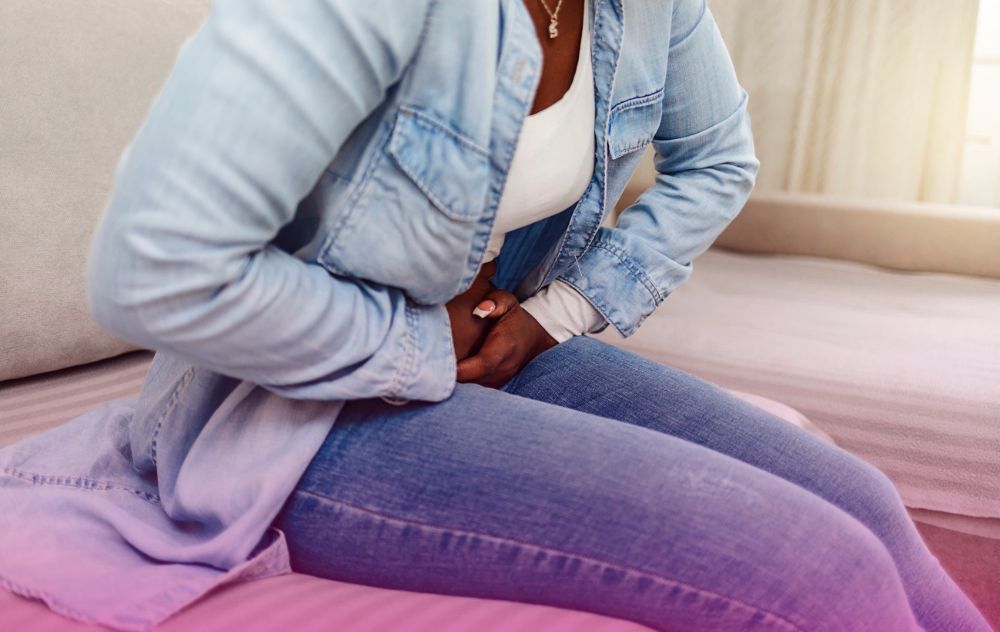
What Happens If a Woman Has Fibroids?
Uterine fibroids are one of the most common yet misunderstood conditions affecting women today. If you have recently been diagnosed or suspect something is not quite right, you are not alone. Millions of women experience fibroids, often without even realizing it.
But what actually happens when a woman has fibroids? The answer varies from person to person. Some women have no symptoms at all, while others experience changes that affect their daily life, comfort, and overall well-being.
Understanding what fibroids can do to your body is the first step toward taking control of your health.
What Are Fibroids?
Fibroids are noncancerous growths that develop in or around the uterus. They can be as small as a seed or grow large enough to change the shape of the uterus.
Although the term “tumor” can sound concerning, fibroids are almost always benign and not linked to cancer. Some women may have a single fibroid, while others may develop multiple growths at once.
Some Women Have No Symptoms
One of the most surprising things about fibroids is that they do not always cause symptoms.
Many women may live with fibroids for years without noticing any changes. In these cases, fibroids are often discovered during routine exams or imaging tests.
However, when symptoms do occur, they can range from mild to severe and may worsen over time.
Common Symptoms of Fibroids
When fibroids begin to affect the body, they often cause noticeable physical changes.
Symptoms may include:
- Heavy or prolonged menstrual bleeding
- Bleeding between periods
- Pelvic pain or pressure
- Lower back pain
- Frequent urination
- Constipation or bloating
- Pain during sex
- Abdominal swelling or a feeling of fullness
These symptoms can gradually become more intense as fibroids grow or increase in number.
How Fibroids Can Affect Your Body
Fibroids can impact more than just your reproductive system. Over time, they may affect multiple areas of your health and daily routine.
1. Heavy Periods and Fatigue
Fibroids are a common cause of heavy menstrual bleeding. Periods may last longer than usual or become more difficult to manage.
Ongoing blood loss can lead to anemia, which may cause fatigue, weakness, or shortness of breath.
2. Ongoing Pain and Pressure
As fibroids grow, they can create a feeling of pressure or fullness in the lower abdomen.
This may include:
- Persistent pelvic discomfort
- Strong menstrual cramps
- Pain in the lower back or legs
Larger fibroids can press against surrounding areas, increasing discomfort over time.
3. Changes in Bladder and Bowel Habits
Depending on their size and location, fibroids can press on nearby organs.
This may lead to:
- Frequent need to urinate
- Difficulty emptying the bladder
- Constipation or bloating
These symptoms can disrupt daily routines and sleep quality.
4. Fertility and Pregnancy Challenges
In some cases, fibroids can affect fertility or pregnancy.
They may:
- Interfere with conception
- Change the shape of the uterus
- Increase the risk of certain pregnancy complications
Not all women with fibroids experience fertility issues, but it is an important factor to consider.
5. Emotional and Lifestyle Impact
Living with fibroid symptoms can take a toll beyond physical health.
Many women report:
- Increased stress or anxiety
- Disruptions to work or social life
- Concerns about heavy bleeding or discomfort
Fibroids can affect confidence, energy levels, and overall quality of life.
What Happens If Fibroids Are Left Untreated?
Not all fibroids require treatment. Some remain stable or may even shrink over time, especially after menopause.
However, if symptoms are present, untreated fibroids can lead to:
- Worsening bleeding and pain
- Growth in size or number of fibroids
- Ongoing fatigue due to blood loss
- Increased pressure on nearby organs
- Greater impact on fertility
Monitoring symptoms and speaking with a healthcare provider can help prevent complications.
When Should You Talk to a Doctor?
You should consider seeking medical advice if you experience:
- Heavy periods that interfere with daily life
- Persistent pelvic pain or pressure
- Fatigue related to blood loss
- Changes in urination or bowel habits
- Difficulty getting pregnant
Early evaluation can help determine the right next steps and ensure your symptoms are properly managed.
You Are Not Alone
Fibroids are very common, but that does not mean you have to live with the symptoms.
With the right information and support, you can better understand your condition and explore treatment options that fit your needs.
Final Thoughts
Having fibroids can look very different from one woman to another. Some experience no symptoms, while others deal with daily discomfort that affects both physical and emotional health.
The most important thing is to listen to your body and take symptoms seriously. With awareness and the right care, you can take meaningful steps toward feeling better and improving your quality of life.