March marks Endometriosis Awareness Month, the perfect time to learn about a condition that affects one in ten women globally. Much like uterine fibroids, endometriosis can cause debilitating pain and significantly impact fertility.
Although these two conditions share similar symptoms, they are fundamentally different in how they affect your body. Learning to distinguish between them is the first step toward getting the right treatment and improving your quality of life.
What is Endometriosis?
Endometriosis occurs when tissue similar to the uterine lining (the endometrium) grows outside the uterus, most commonly on the ovaries, fallopian tubes, and the pelvic lining.
Each month, this “misplaced” tissue acts just like the lining inside your uterus: it thickens, breaks down, and bleeds during your period. However, because this tissue is outside the womb, this misplaced blood has no way to exit the body. This trapped blood causes internal inflammation, intense pain, and the formation of scar tissue (adhesions).
The Common Thread: Causes and Risk Factors
While science is ongoingto pinpoint the exact cause of both endometriosis and fibroids. Several key factors are known to drive their development:
- Hormonal Dominance: Excess estrogen is the primary fuel for both endometrial lesions and fibroid growth.
- Genetics: If your mother or sister struggled with these conditions, your risk is significantly higher.
- Lifestyle & Environment: Factors like chronic stress, diet, and exposure to endocrine-disrupting chemicals (found in some plastics and pesticides) can influence hormonal health.
Long-Term Risks and Evolving Treatments
Understanding the long-term impact of these conditions is crucial for proactive care.
2025 Research Update: The Menopause Link
Recent data highlights a critical connection between endometriosis and ovarian health:
- 7x Higher Risk: Individuals with endometriosis are seven times more likely to undergo surgical menopause (the removal of ovaries) before age 40.
- Why it matters: This underscores the urgent need for early intervention to preserve fertility and long-term hormonal health.
Fortunately, the landscape of care is changing. Research is shifting away from solely relying on hormonal suppressors, which often just mask symptoms. We are now moving toward non-hormonal, targeted therapies to manage symptoms and, in some cases, reverse the progression of the disease itself.
Symptoms: Is it Endometriosis or Fibroids?
Since endometriosis and fibroid symptoms overlap, many women suffer for years without an accurate diagnosis. In fact, the Endometriosis Foundation of America notes that according to the World Health Organization (WHO), the average delay in diagnosis is eight to ten years. Despite rising awareness in 2025-2026, this lag often leads to disease progression and unnecessary suffering.
| Symptom | Endometriosis | Fibroids |
| Pelvic pain | Chronic pain, often worsening before or during menstruation | Heavy, cramping pain, especially during periods |
| Heavy menstrual bleeding | May cause irregular bleeding | Heavy and prolonged periods |
| Infertility | Common, due to scarring and adhesions | Can occur, depending on fibroid size and location |
| Pain during intercourse | Frequent and deep pelvic pain | May occur if fibroids press against the vaginal wall |
| Bowel or urinary issues | Painful urination, constipation, or diarrhea during menstruation | Pressure on the bladder or rectum may cause frequent urination or constipation |
Use our symptom checker to assess your symptoms and determine if you should seek medical advice.
Breakthrough in Early Endometriosis Detection
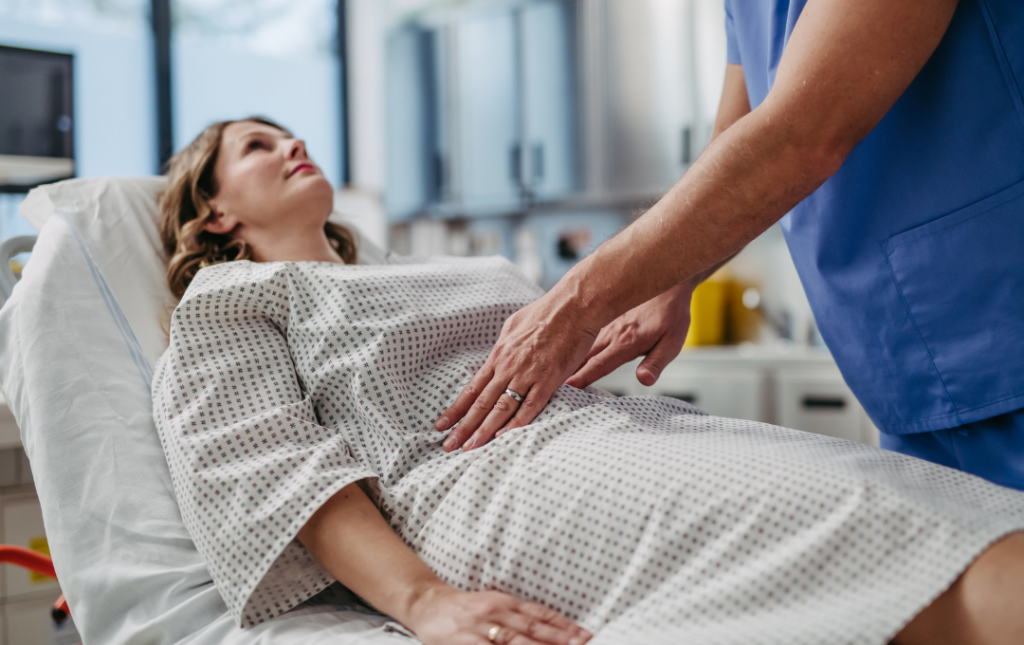
Researchers at the Yale School of Medicine (YSM) have identified a groundbreaking “molecular fingerprint” that could revolutionize how we diagnose endometriosis in its earliest stages.
By analyzing microRNAs, small RNA molecules that regulate gene expression and circulate in the blood, the team led by Dr. Hugh Taylor has successfully developed a noninvasive method to detect the disease. While their previous work confirmed these biomarkers could accurately identify endometriosis in adults (average age mid-30s), this latest study marks a major leap forward by identifying a unique microRNA signature in adolescents and young adults. 1
Why This Matters
- Early Intervention: Over 50% of endometriosis patients report that their symptoms began during adolescence.
- Noninvasive Diagnosis: This method replaces surgical procedures with a simple blood draw.
- Precision Medicine: Because microRNAs act as a “fingerprint” for a person’s health state, this signature allows for the detection of the disease in its earliest, most critical stages.
Modern Treatment Pathways
The right treatment depends on your symptoms, age, and whether you wish to maintain fertility.
Endometriosis Treatment:
Management often starts with hormonal therapies (birth control, Gn-RH agonists) to suppress the menstrual cycle. If symptoms persist, laparoscopic surgery, a minimally invasive procedure, is used to excise or remove the lesions.
Fibroid Treatment:
You have more options than just a hysterectomy. Uterine fibroid embolization (UFE) is a breakthrough, non-surgical treatment that cuts off the blood supply to the fibroids, causing them to shrink while leaving the uterus intact.
Take Control of Your Narrative
Menstrual pain is a signal, not a requirement of womanhood, and your body deserves to be heard. At Fibroid Fighters, we bridge the gap between that signal and the solutions you need, providing the advocacy, resources, and specialist connections necessary to navigate your health journey with confidence. Whether you are just beginning to seek answers or are looking for a community that truly understands, you don’t have to face these challenges alone.
By sharing your journey through video, audio, or text, you transform your personal experience into a powerful tool for change that resonates with women walking a similar path. Every testimonial is a vital step toward breaking the stigma surrounding fibroids and empowering others to advocate for the care they deserve. In speaking your truth, you find strength in your own healing while giving others the courage to do the same.
Sources: