

September is PCOS Awareness Month, an opportunity to shine a light on polycystic ovary syndrome (PCOS), a condition that affects millions of women yet often goes undiagnosed for years. At Fibroid Fighters, we are committed to empowering women with information about reproductive health conditions and encouraging conversations that lead to earlier diagnosis, better treatment, and improved quality of life.
What Is PCOS?
Polycystic ovary syndrome is a hormonal condition that affects how the ovaries function. Women with PCOS may experience irregular ovulation, elevated levels of certain hormones called androgens, and a variety of symptoms that can affect reproductive, metabolic, and emotional health.
PCOS is one of the most common hormonal disorders among women of reproductive age and is a leading cause of infertility. However, its effects can extend far beyond fertility, influencing weight, skin health, energy levels, and long-term wellness.
Common Signs and Symptoms of PCOS
Because PCOS affects each woman differently, symptoms can vary widely. Common signs include:
- Irregular, infrequent, or missed menstrual periods
- Difficulty becoming pregnant due to irregular ovulation
- Excess facial or body hair growth
- Acne or persistent skin breakouts
- Weight gain or difficulty losing weight
- Thinning hair or hair loss on the scalp
- Darkened patches of skin, particularly around the neck or underarms
- Fatigue or mood changes
Many women experience symptoms for years before receiving a diagnosis, making awareness especially important.
How Is PCOS Diagnosed?
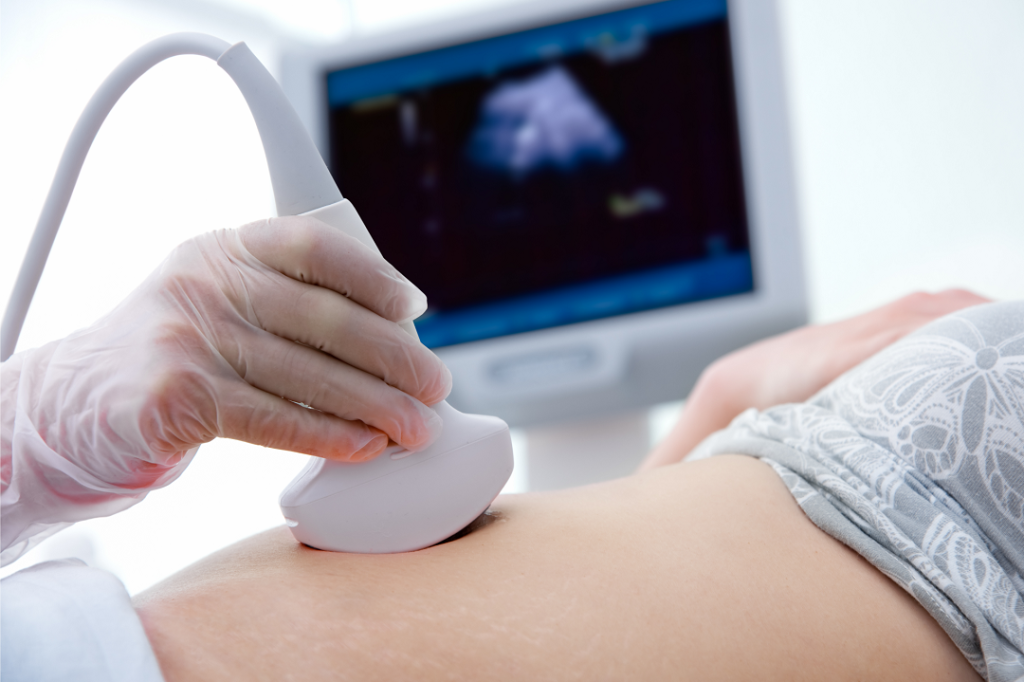
There is no single test that confirms PCOS. Healthcare providers typically diagnose the condition by reviewing symptoms, medical history, and diagnostic testing.
A PCOS evaluation may include:
- A discussion of menstrual cycles and symptoms
- Blood tests to evaluate hormone levels
- Assessment of blood sugar and insulin function
- Pelvic ultrasound imaging
Because symptoms can overlap with other conditions, a comprehensive evaluation is important to determine the appropriate diagnosis and treatment plan.
PCOS and Long-Term Health
PCOS is more than a reproductive health condition. Without proper management, it can increase the risk of several long-term health concerns, including:
- Type 2 diabetes
- High blood pressure
- High cholesterol
- Sleep disorders
- Anxiety and depression
- Endometrial (uterine) cancer
Understanding these risks allows women and their healthcare providers to take proactive steps toward protecting overall health.
Can PCOS Be Treated?
While there is currently no cure for PCOS, many women successfully manage their symptoms through personalized treatment plans.
Depending on a woman’s symptoms and goals, treatment options may include:
- Hormonal medications to regulate menstrual cycles
- Treatments to address acne or excess hair growth
- Medications that improve insulin sensitivity
- Fertility treatments for women trying to conceive
- Lifestyle modifications focused on nutrition, exercise, and weight management
The most effective treatment approach is often individualized and designed around each patient’s needs.
Why Awareness Matters
Many women with PCOS report feeling frustrated, unheard, or dismissed when seeking answers about their symptoms. Raising awareness helps women recognize when something may not be normal and encourages them to seek medical evaluation sooner.
Earlier diagnosis can help reduce complications, improve symptom management, and support better long-term health outcomes.
PCOS and Fibroids: Understanding the Difference
Because both conditions can affect menstrual health, PCOS and uterine fibroids are sometimes confused. However, they are distinct conditions.
PCOS is a hormonal disorder that affects ovulation and metabolism, while fibroids are noncancerous growths that develop in or around the uterus. Both can contribute to heavy or irregular periods, fertility challenges, and other symptoms, making proper diagnosis essential.
If you’re experiencing changes in your menstrual cycle, pelvic discomfort, heavy bleeding, or other reproductive health concerns, talk with a healthcare provider to determine the underlying cause.
Empowering Women Through Education
At Fibroid Fighters, we believe knowledge is power. PCOS Awareness Month serves as an important reminder that women deserve answers, support, and access to quality healthcare. By learning more about PCOS and sharing information with others, we can help reduce stigma, encourage diagnosis, and empower women to advocate for their health.
If you have symptoms that may be related to PCOS or another reproductive health condition, don’t ignore them. Speaking with a healthcare provider can be the first step toward finding answers and getting the care you deserve.
Additional Resources
- PCOS Awareness Association
- Office on Women’s Health
- Cleveland Clinic: Polycystic Ovary Syndrome (PCOS)
For more information, resources and information about fibroids and other women’s health concerns, contact us at 855-455-5262.