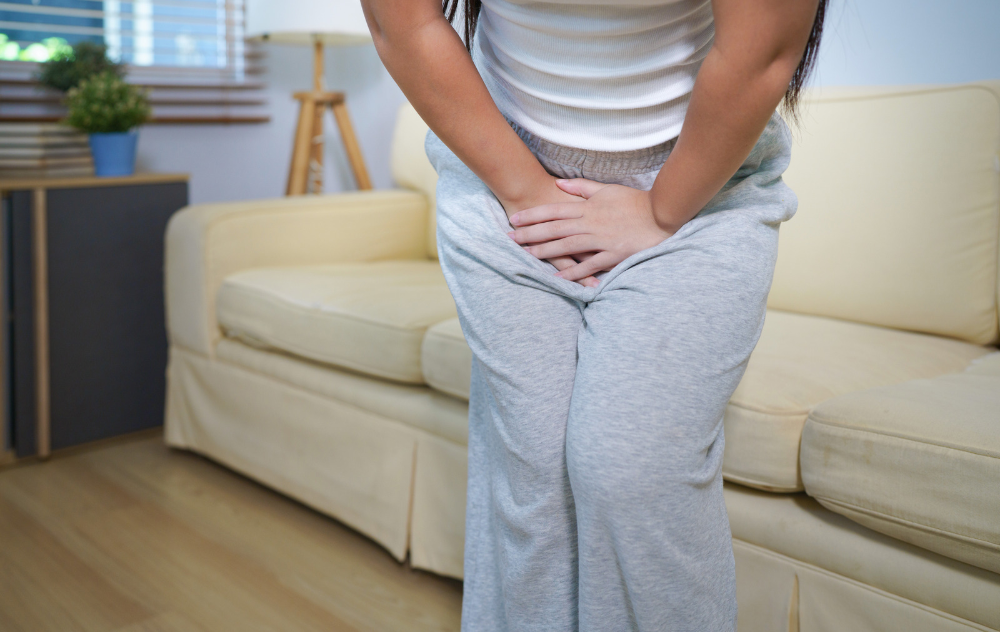
Bladder symptoms are easy to dismiss, especially when they develop gradually. Many women spend years quietly adjusting their lives around disruptions like mapping out restroom access, waking up multiple times in the middle of the night, or pushing through a constant sense of urgency, assuming it is just a normal part of aging, childbirth, or stress.
However, ongoing urinary issues are often a sign of an underlying condition, such as uterine fibroids. Since the uterus sits right next to the bladder, noncancerous fibroid growths can press against it, reducing its capacity and triggering frequent trips to the bathroom.
Bladder Awareness Month is a good time to look at how fibroids affect urinary health and what you can do about it. At Fibroid Fighters, we believe being informed can help women make better decisions about their well-being.
Why Fibroids Affect the Bladder
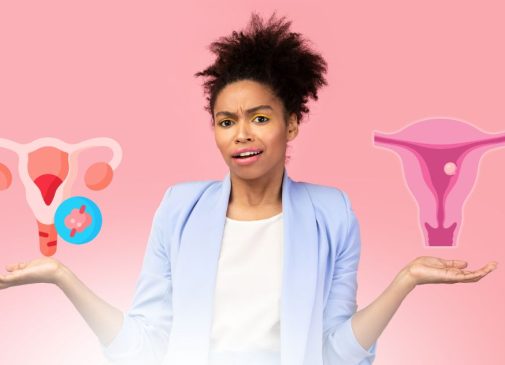
Uterine fibroids are noncancerous growths in or on the uterine wall that vary in size and number. While often asymptomatic, they can cause heavy periods, pelvic pressure, bloating, back pain, constipation, pain during sex, and urinary changes.
The bladder sits directly in front of the uterus in the pelvis. As fibroids grow, they can press on the bladder and reduce how much urine it can comfortably hold. The uterus can also enlarge overall, leaving less room for the bladder to fill.
Fibroids can affect urination in several ways:
Frequency. You may feel the need to urinate often, even when your bladder isn’t full. Nighttime trips can disrupt sleep, and frequent bathroom visits can interfere with work and travel.
Urgency. A sudden, strong need to urinate can be hard to delay. Fibroid pressure may contribute to this, but urgency also has other causes, including overactive bladder and urinary tract infections.
Incomplete emptying. Large fibroids, especially those low in the uterus, can make it harder for urine to flow well or for the bladder to empty fully. You might feel like you still need to go right after leaving the bathroom.
Leakage. Some women leak urine because of the urgency and pressure fibroids create. Leakage can also come from pelvic floor weakness, pregnancy, or menopause, so it doesn’t always point to fibroids.
Complications. When urine stays in the bladder too long, the risk of infection can rise. Very large fibroids can also press on the ureters, the tubes carrying urine from the kidneys, which in severe cases can affect kidney function.
Could Fibroids Be the Cause of Your Bladder Symptoms?

Bladder symptoms have many possible causes, including infections, overactive bladder, diabetes, and pelvic floor disorders. Fibroids are more likely to be involved when urinary symptoms appear alongside heavy periods, pelvic pressure, abdominal swelling, or back pain.
Keep in mind that fibroids tend to be more common and more symptomatic in Black women, who often develop them earlier and may have larger or more numerous fibroids. If you’re a Black woman with persistent bladder symptoms, it’s worth asking your provider directly about fibroids.
Your provider may recommend:
- A pelvic exam to check for an enlarged uterus or other changes.
- Pelvic ultrasound to measure and locate fibroids.
- MRI for a more detailed view of the uterus and nearby organs.
- Urine testing to rule out infection or other urinary conditions.
Treatment Options
Treatment depends on fibroid size and location, your symptoms, your overall health, and whether you plan to have children in the future.
Watchful waiting. Small fibroids with mild or no symptoms may only need regular checkups and imaging to monitor changes.
Medication. Hormonal birth control can help control heavy bleeding. GnRH medications can temporarily shrink fibroids, but they’re usually limited to about three to six months because of bone density concerns. Most medications manage symptoms rather than remove fibroids, so they may not provide lasting relief from bladder pressure caused by a large fibroid.
Uterine fibroid embolization (UFE). UFE is a minimally invasive procedure in which an interventional radiologist inserts a thin catheter, usually through the wrist or groin, and delivers tiny particles that block the blood supply to the fibroids. The fibroids shrink over time, which can reduce pressure on the bladder. Recovery often includes pain, cramping, or fever for several days, a common reaction called post-embolization syndrome. UFE is generally an outpatient procedure, but it isn’t right for everyone, and women hoping to become pregnant should discuss its effects on fertility with a specialist.
Myomectomy. This surgery removes fibroids and keeps the uterus intact. It can be done through open surgery or minimally invasive methods such as laparoscopy. Hysteroscopy is generally used for fibroids inside the uterine cavity. Myomectomy may suit women who want to preserve fertility, but new fibroids can develop later.
Hysterectomy. Removing the uterus is a definitive treatment, since fibroids can’t regrow without it. It’s usually considered for severe symptoms that haven’t responded to other treatments or for women who don’t want to keep their uterus. It ends the ability to carry a pregnancy, so it deserves careful discussion.
Other options. Depending on your situation, specialists may also discuss MRI-guided focused ultrasound and myolysis.
Questions to Ask Your Provider
Being prepared makes a difference. Consider asking:
- Could my fibroids be causing my bladder symptoms, or should we look for other causes?
- Which imaging test is best for my situation?
- How big are my fibroids, and where are they located?
- What are the benefits and risks of each treatment for me?
- How will this option affect my future pregnancy plans?
- What recovery should I expect, and when can I return to normal activities?
If your concerns aren’t being taken seriously, it’s reasonable to seek a second opinion from a fibroid specialist.
When to Seek Urgent Care
Some symptoms need prompt attention. Go to urgent care or an emergency department if you can’t urinate at all, especially with lower abdominal pain or swelling. Fever, chills, back or side pain, or painful urination can signal a serious infection and also need prompt evaluation.
For ongoing symptoms, such as frequent nighttime urination, urgency that disrupts your everyday life, difficulty emptying your bladder, or leakage, schedule an appointment soon rather than waiting for things to get worse.
Speak Up for Your Health
Changes in your bladder habits are worth paying attention to. Fibroids are common, treatable, and often manageable, and you don’t have to accept symptoms that disrupt your life.
Fibroid Fighters is dedicated to informing, advocating for, and standing beside women navigating uterine fibroids. If you are noticing potential warning signs, try our quick, 60-second symptom assessment to better understand your risk and prepare for a conversation with your doctor.
Already have a diagnosis and looking into your next steps? Reach out to our team for helpful educational tools and guidance at every stage of your care.
References
- American College of Obstetricians and Gynecologists. Management of Symptomatic Uterine Leiomyomas. ACOG Practice Bulletin No. 228. 2021. acog.org
- Office on Women’s Health, U.S. Department of Health and Human Services. “Uterine Fibroids.” womenshealth.gov
- Eunice Kennedy Shriver National Institute of Child Health and Human Development. “Uterine Fibroids.” nichd.nih.gov
- Stewart EA, Cookson CL, Gandolfo RA, Schulze-Rath R. Epidemiology of uterine fibroids: a systematic review. BJOG: An International Journal of Obstetrics and Gynaecology. 2017;124(10):1501-1512.
- Wise LA, Palmer JR, Harlow BL, et al. Risk factors for uterine leiomyomata in the Black Women’s Health Study. American Journal of Epidemiology. 2004;159(2):113-123.
- Eltoukhi HM, Modi MN, Weston M, Armstrong AY, Stewart EA. The health disparities of uterine fibroid tumors. Fertility and Sterility. 2014;102(5):1224-1231.
- Munro MG, Critchley HO, Broder MS, Fraser IS. The FIGO classification system (PALM-COEIN) for causes of abnormal uterine bleeding in nongravid women of reproductive age. Fertility and Sterility. 2011;95(7):2204-2208.
- U.S. Food and Drug Administration. Prescribing information for GnRH agonists indicated for uterine fibroids (e.g., leuprolide acetate depot). Drugs@FDA. Current label.
- Ravina JH, Bercovici B, Dordoni D, et al. Arterial embolisation to treat uterine myomata. The Lancet. 1995;346(8976):671-672.
- Society of Interventional Radiology. Uterine artery embolization guidelines. sirweb.org
- U.S. Food and Drug Administration. ExAblate MR-guided focused ultrasound for uterine fibroids. FDA device approval records.
- American Urological Association; Society of Urodynamics, Female Pelvic Medicine & Urogenital Reconstruction. Guideline on the Diagnosis and Treatment of Overactive Bladder. auanet.org
- National Institute of Diabetes and Digestive and Kidney Diseases. “Urinary Tract Infections in Adults” and “Urinary Incontinence in Women.” niddk.nih.gov
- National Health Service (UK). “Urinary Retention.” nhs.uk