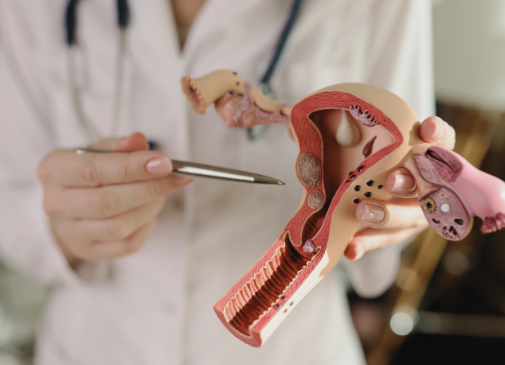

Uterine fibroids are extremely common, affecting most women by age 50. While genetics play a role, we now know that fibroid growth is also strongly linked to your overall health, particularly metabolic conditions such as diabetes and high blood pressure.
Why? Because issues like diabetes and high blood pressure often involve insulin resistance and chronic inflammation. This creates an internal environment that experts believe fuels fibroid tumors.
This connection is key: A recent study1 suggests that GLP-1 receptor agonists, a popular class of drugs often prescribed for type 2 diabetes and weight loss, may be associated with a reduced risk of developing new fibroids in women with type 2 diabetes.
The Link Between Diabetes Medication and Fibroid Prevention

How did researchers uncover this potential link? The study didn’t look at a small, niche group. Instead, the team reviewed electronic health records from more than 95 massive healthcare organizations across the U.S. This provided a real-world, expansive dataset, zeroing in on women with type 2 diabetes who were newly starting a GLP-1 receptor agonist, metformin, or insulin.
The results are compelling, suggesting a real difference between these common medications.
Here are the key takeaways comparing GLP-1 drugs to other common diabetes medications:
- Compared to Metformin: Women taking GLP-1 receptor agonists had a significantly lower risk of developing new fibroids (Risk Ratio [RR] 0.73). This means the risk was about 27% lower compared to metformin users.
- Compared to Insulin: GLP-1 receptor agonist users also saw a significantly lower risk compared to insulin users (RR 0.75), translating to about a 25% lower risk.
The protective effects appeared even stronger when researchers looked at participants who had taken six or more doses of the GLP-1 drugs.
Beyond Weight Loss: Why GLP-1s Might Guard Against Fibroids

GLP-1 drugs such as Ozempic and Wegovy work by helping your body in a few key ways, including making your cells respond better to insulin (improving insulin sensitivity) and, importantly, causing significant weight loss.
Because uterine fibroids are often linked to factors like obesity and other metabolic issues, researchers believe that the way GLP-1 drugs improve your body’s overall metabolism and help you lose weight may offer a protective benefit against fibroid growth.
Important Takeaways and Next Steps
While these findings are promising, it’s essential to keep the following in mind:
- Further Research is Needed: This was a retrospective study. Researchers emphasize the need for prospective studies (studies that follow people over time) to confirm the findings and understand how the drugs might be exerting this protective effect.
- Age of Participants: The average age of the women in this study was 59. Fibroids are more commonly diagnosed and symptomatic in younger, premenopausal women. Future research, including plans to look at results stratified by menopausal status, will be vital to see if the same associations hold for younger patients.
- No Fibroid Details: The study was limited in that it didn’t include details on the size, severity, or symptoms of the fibroids that were diagnosed.
Why This Research Matters
The majority of women will develop fibroids, but some groups, particularly black women, are disproportionately affected, often experiencing more severe symptoms and developing them at a younger age. This study is the first to specifically investigate the effect of GLP-1 receptor agonists on uterine fibroids, making it an exciting starting point for further investigation.
While this research is preliminary, it opens the door to potential new treatments and preventative strategies for women at risk. If future studies confirm that GLP-1 drugs can significantly reduce the risk of fibroids, it could eventually offer a new medical option, especially for the many women who also struggle with diabetes or obesity.
Treating Fibroids
Even though the research on GLP-1 drugs offers an exciting glimpse into future prevention strategies, effective treatments are available right now for managing fibroids and alleviating symptoms.
If you are dealing with heavy bleeding, pain, or other symptoms, exploration of the several proven fibroid treatment options available today is encouraged. These options range from medication and hormone therapy to advanced minimally invasive procedures and traditional surgery. The most effective treatment path is always tailored to the specific situation, considering the size, location, and number of fibroids, as well as personal health goals.
For more information about fibroid symptoms, diagnosis, and available treatment options, contact 855-455-5262 or [email protected].
References:
- American Society for Reproductive Medicine – Source Reference: Hsieh TYJ, et al “Association between glucagon-like peptide-1 receptor agonists and reduced risk of new-onset fibroids among women with type 2 diabetes” ASRM 2024; Abstract O-261.