
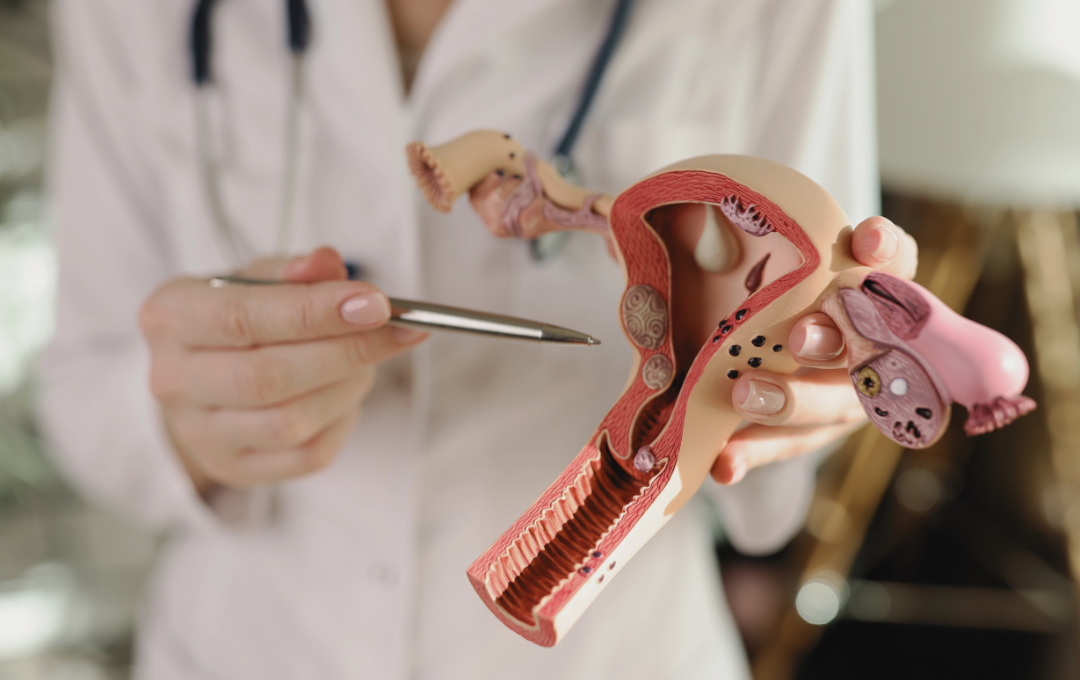
Understanding your reproductive health begins with a clear picture of how your body works. While many women are familiar with uterine fibroids, cervical fibroids represent a unique subset of these noncancerous growths. While the majority of fibroids develop in the main body of the uterus, cervical fibroids take root in the cervix, the narrow canal connecting the uterus and the vagina.
As a result of this specific location, cervical fibroids often present a distinct set of challenges. Unlike common uterine fibroids, those in the cervix can lead to complications such as painful intercourse or difficulties during childbirth.
Why Cervical Health Matters
Cervical health is a critical part of your overall wellness that goes far beyond a routine pap smear. As the entryway to the uterus, a healthy cervix is essential for preventing infections and supporting a healthy pregnancy. Since conditions like cervical fibroids often develop without any noticeable symptoms, regular check-ups like pelvic exams and HPV testing are vital for catching issues early.
Identifying these growths early protects your fertility and allows for easier, non-surgical treatment options. Ultimately, prioritizing your cervical health ensures that minor issues are managed before they become bigger problems.
What Are Cervical Fibroids (Cervical Leiomyomas)?
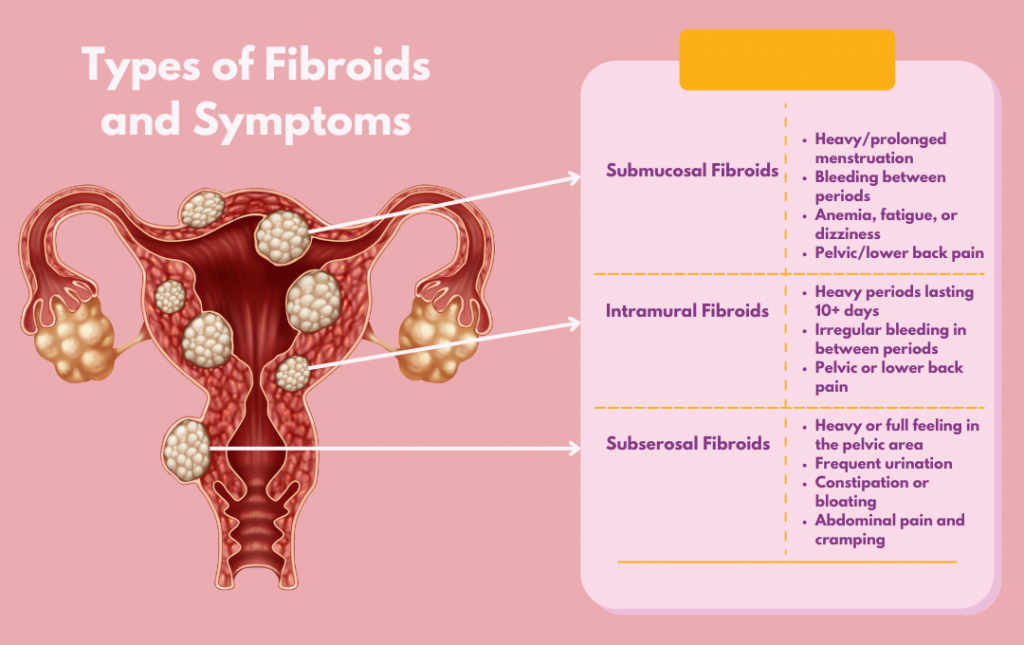
All fibroids consist of smooth muscle cells and fibrous connective tissue. Even though these growths are typically always benign (noncancerous), their location matters. Cervical leiomyomas grow near or within the cervical canal. They can occur individually or in clusters and, in some cases, may even protrude through the cervix into the vaginal canal.
Identifying these growths early protects your fertility and allows for easier, non-surgical treatment options. Ultimately, prioritizing your cervical health ensures that minor issues are managed before they become bigger problems.
Common Cervical Fibroid Symptoms
Many women dismiss pelvic pain or heavy periods as “normal,” but your menstrual cycle should not be so heavy, long or painful that it interferes with your quality of life. Because cervical fibroids are located at the “opening” of the uterus, they often cause specific symptoms:
- Painful Intercourse: Discomfort or sharp pain during or after sex (dyspareunia).
- Pressure and Discomfort: A feeling of fullness in the pelvic region or discomfort when inserting a tampon or menstrual cup.
- Urinary Issues: Frequent urination, difficulty emptying the bladder, or chronic UTIs due to the fibroid pressing against the bladder.
- Abnormal Bleeding: Heavy, prolonged periods or irregular spotting between cycles.
- Fertility Challenges: Difficulty conceiving or complications during labor and delivery.
If you are experiencing unusual symptoms or tracking significant changes in your cycle, it is time to consult a fibroid specialist.
How Are Cervical Fibroids Diagnosed?
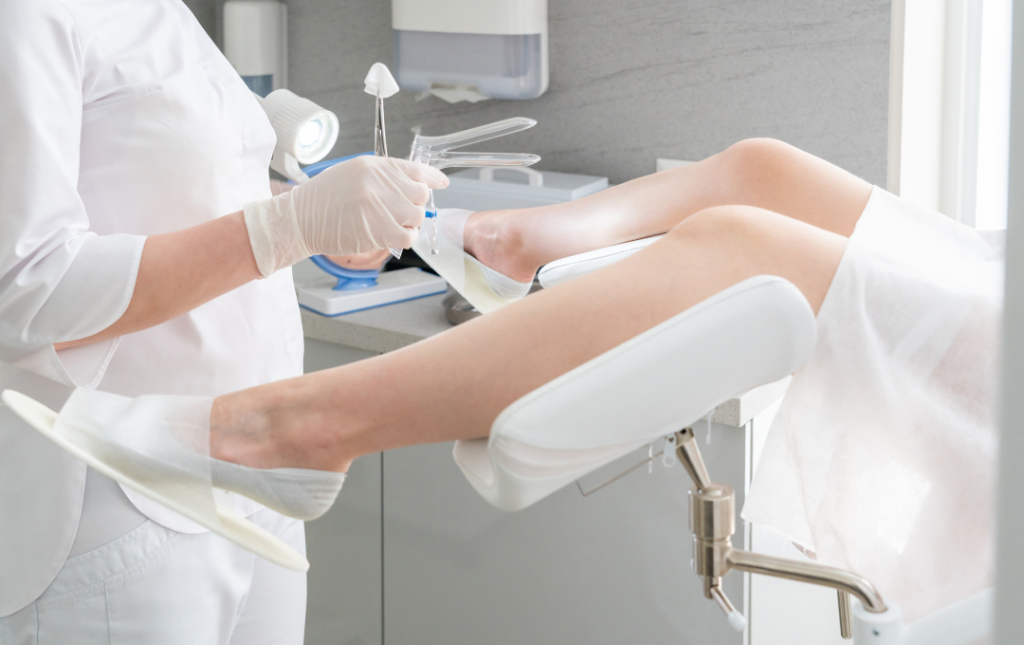
Because the symptoms of cervical fibroids—like unusual bleeding or pressure—can overlap with other conditions, a professional evaluation is essential for an accurate diagnosis. Specialists use a combination of physical exams and advanced imaging to map out exactly what is happening.
- Pelvic Intercourse: During a routine exam, a doctor may be able to feel an irregular shape or a firm mass specifically within the cervical canal. In some cases, if the fibroid is protruding, it may be visible during the exam.
- Transvaginal Ultrasound: This is usually the first step. By using a specialized wand, doctors can get a clear, close-up image of the cervix to identify the size and number of growths.
- MRI (Magnetic Resonance Imaging): If treatment is being considered, an MRI provides the most “high-definition” map. It shows the specialist exactly where the fibroid sits in relation to the surrounding tissue and blood vessels, which is critical for planning a minimally invasive procedure.
Can a Pap Smear Detect Fibroids?
A Pap smear specifically screens for cervical cancer and HPV. However, the pelvic exam performed during your pap smear appointment is an ideal time for your doctor to check for physical abnormalities like cervical leiomyomas.
Potential Complications: Are They Dangerous?
While cervical fibroids are rarely life-threatening, they can lead to serious secondary health issues:
- Anemia: Chronic, heavy bleeding can deplete your red blood cell count, leading to severe fatigue, dizziness, and shortness of breath.
- Fertility and Pregnancy: Fibroids in the cervix can potentially block the sperm’s path to the uterus or complicate a vaginal delivery.
- Cancer Risks: Less than 1% of fibroids are cancerous. However, postmenopausal women experiencing new vaginal bleeding should seek immediate medical attention, as the risk of malignancy increases with age.
Cervical Fibroid Management and Treatment Options
You don’t have to live with the pain. There are several FDA-approved treatments ranging from minimally invasive procedures to surgical interventions.
1. Uterine Fibroid Embolization (UFE)
UFE is a non-surgical, outpatient procedure performed by an interventional radiologist. By blocking the blood flow to the fibroids, the growths shrink and die over time. This is an excellent option for women looking to avoid major surgery and preserve their uterus.
2. Myomectomy
This is the surgical removal of the fibroids while leaving the uterus intact. It is often recommended for women who wish to maintain fertility, but it may involve a longer recovery time than UFE.
3. Hormone Medications & Ablation
- Hormones: Certain medications can help manage bleeding or shrink fibroids temporarily.
- Ablation: A procedure that uses heat to destroy the uterine lining or fibroid tissue to reduce heavy bleeding.
Take Control of Your Health with Fibroid Fighters
If you suspect you have cervical fibroids, your next step is to speak with a specialist who understands the full spectrum of treatment options. The Fibroid Fighters Foundation is dedicated to providing the resources and education you need to make informed decisions.
For more information on fibroids, symptoms, and treatment options, contact us at 855-455-5262 or email us at [email protected].
Share your story and follow us on social.