
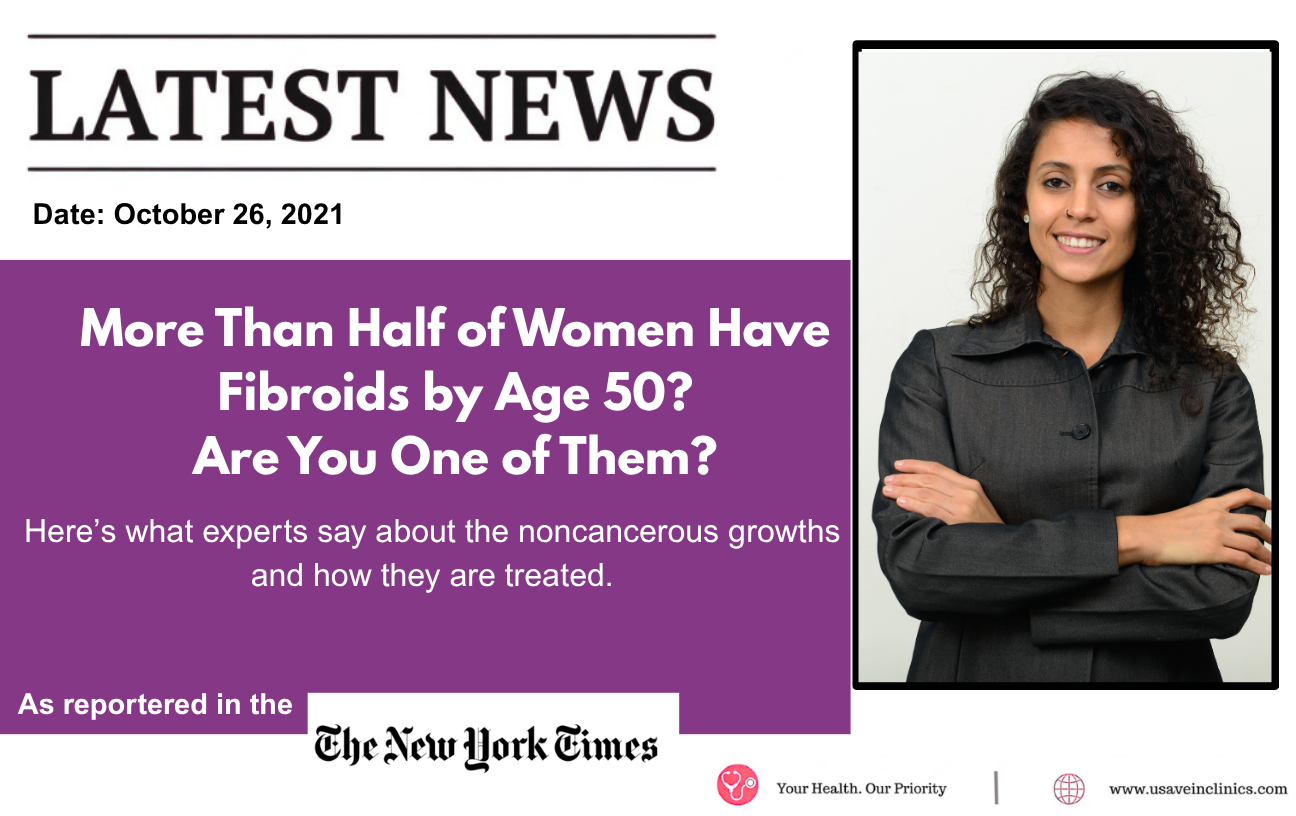
A recent New York Times article by Erica Sweeney, published Oct. 6, highlighted a condition that affects millions of women: uterine fibroids. While fibroids are extremely common, many women are unaware they have them or may dismiss symptoms as a normal part of aging or menstruation.
Fibroids are noncancerous growths that develop in or around the uterus. Although some women experience no symptoms, others may face challenges that significantly affect their quality of life, including:
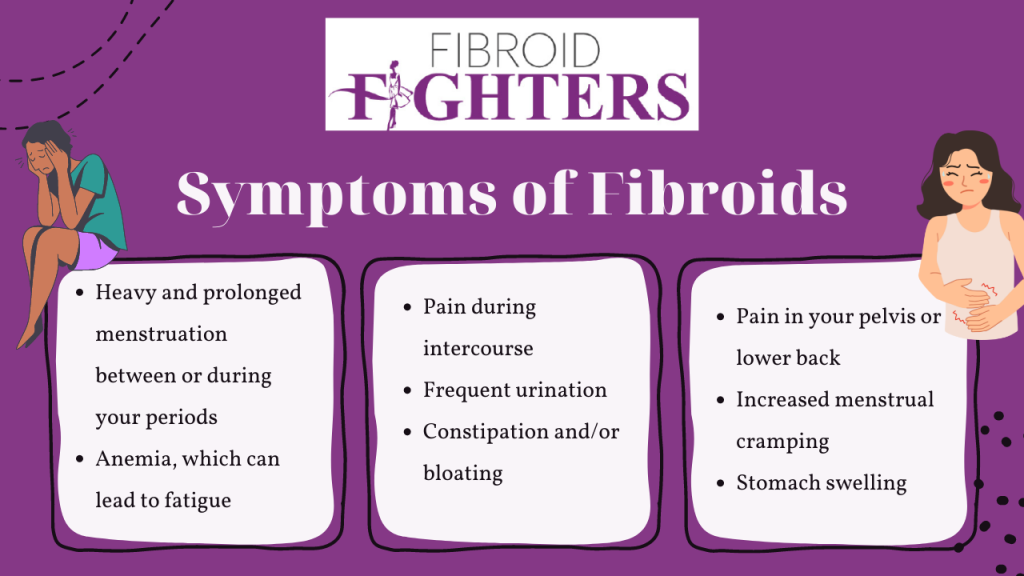
- Heavy or prolonged menstrual bleeding
- Pelvic pain or pressure
- Frequent urination
- Constipation
- Lower back pain
- Pain during intercourse
- Difficulty becoming pregnant or carrying a pregnancy to term
Why Do Fibroids Develop?
Researchers still do not fully understand why fibroids form, but hormones, genetics, and family history are believed to play important roles. Fibroids can vary greatly in size, ranging from very small growths to large masses that enlarge the uterus.
When Should You See a Doctor?
Women who experience heavy bleeding, persistent pelvic discomfort, frequent urination, or other symptoms that interfere with daily life should discuss their concerns with a healthcare provider. Fibroids can often be diagnosed through imaging tests such as ultrasound or MRI.
Treatment Options Are Available
Treatment depends on factors such as symptom severity, fibroid size and location, and future pregnancy plans. Options may include medication to manage symptoms, minimally invasive procedures, or surgery.
For women seeking an alternative to hysterectomy, Uterine Fibroid Embolization (UFE) is a minimally invasive, outpatient procedure that blocks blood flow to fibroids, causing them to shrink over time. UFE can provide lasting symptom relief without removing the uterus.
Know Your Options
One of the most important messages emphasized by experts is that women should understand all of their treatment options before making a decision. If fibroid symptoms are affecting your health, comfort, or daily activities, seeking an evaluation can help you determine the best path forward.
Want to learn more about fibroid symptoms and treatment options? Explore the educational resources available through Fibroid Fighters and speak with a qualified specialist about your care options.