

October is Pregnancy and Infant Loss Awareness Month, a time to honor the families affected by miscarriage, stillbirth, and infant loss. These experiences can be emotionally devastating and often leave parents searching for answers and support.
While pregnancy loss can occur for many reasons, some women may also be living with uterine fibroids. Understanding how fibroids can affect fertility and pregnancy may help women advocate for their health and explore appropriate treatment options.
Understanding Fibroids and Reproductive Health
Uterine fibroids are the most common noncancerous tumors affecting women, with up to 80% of women developing them by age 50. Many fibroids cause no symptoms and do not affect fertility or pregnancy. However, certain fibroids, depending on their size and location, may contribute to reproductive challenges.
Some fibroids can distort the uterine cavity, interfere with implantation, or increase the risk of pregnancy complications. Others may cause symptoms such as heavy menstrual bleeding, pelvic pain, and pressure that can significantly affect quality of life.
For women who are pregnant, healthcare providers may recommend additional monitoring to assess fibroid growth and evaluate whether the fibroids could affect the pregnancy.
A Story of Hope After Pregnancy Loss
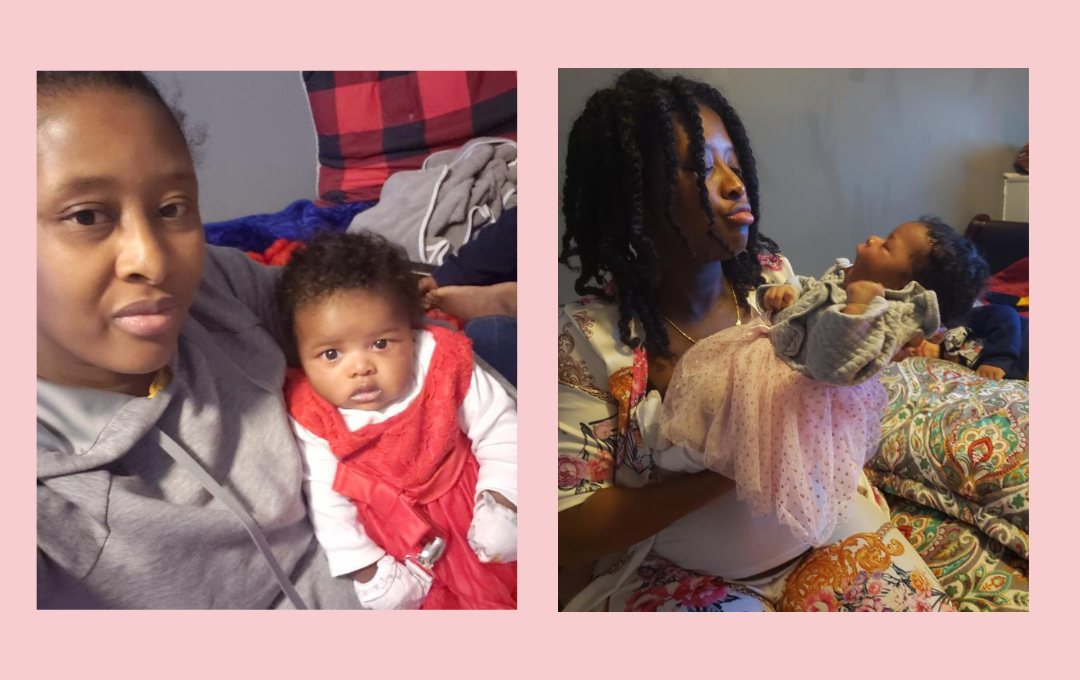
For many women, the journey through pregnancy loss can feel isolating. Fibroid Fighter Yvette Foy understands that experience firsthand.
After suffering miscarriages, Yvette was searching for answers and exploring her treatment options. She was even advised to consider a hysterectomy. Wanting to preserve her ability to have children, she continued looking for alternatives and ultimately underwent treatment for her fibroids.
Following treatment, Yvette was able to achieve a successful pregnancy and welcome a child into her family.
Her story reminds us that every woman’s situation is unique. While treatment outcomes vary, understanding the role fibroids may play in reproductive health can help women have informed conversations with their healthcare providers and explore options that align with their personal goals.
Pregnancy After Loss
Many parents use the term “rainbow baby” to describe a child born after a miscarriage, stillbirth, or infant loss. Like a rainbow appearing after a storm, the term symbolizes hope after a period of grief.
For families who have experienced pregnancy loss, a subsequent pregnancy often brings a mix of emotions, including joy, anxiety, hope, and remembrance. Every family’s experience is different, and there is no right or wrong way to navigate the journey.
Support and Open Communication
Pregnancy loss affects entire families. Open communication with loved ones can provide valuable emotional support during difficult times. Some families also find comfort through counseling, support groups, or connecting with others who have experienced a similar loss.
It is important to allow space for both grief and hope. Healing does not mean forgetting. Many parents find ways to honor their loss while continuing to move forward.
Common Fibroid Symptoms
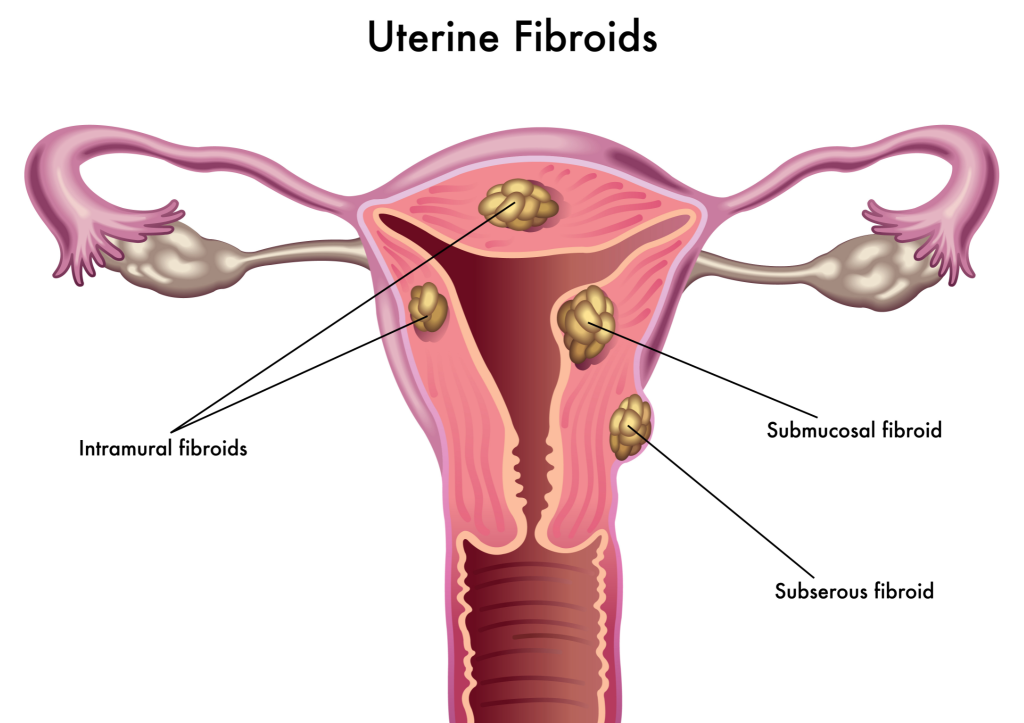
If you are concerned that you have fibroids be aware that the most common fibroid symptoms are:
- Heavy menstrual bleeding
- Painful periods
- Pelvic pressure or pain
- Frequent urination
- Difficulty emptying the bladder
- Constipation
- Pain during sex
- Back pain
- Bloating
Concerned about Symptoms?
Take our Fibroid Symptom Checker
Exploring Fibroid Treatment Options
If fibroids are affecting your quality of life, fertility, or pregnancy goals, it is important to discuss your options with a qualified healthcare provider.
Treatment recommendations vary based on factors such as fibroid size, location, symptoms, and individual reproductive goals. What works best for one woman may not be the right choice for another.
Pregnancy and Infant Loss Awareness Month is an opportunity to raise awareness, encourage conversations, and offer hope to women facing fertility challenges or pregnancy loss. By learning more about fibroids and seeking appropriate care, women can take an important step toward understanding their health and exploring their options for the future.
If you are experiencing fibroid symptoms or have concerns about fertility, speak with a healthcare provider about evaluation and treatment options that fit your individual needs and goals.
Share Your Story
Every fibroid journey is unique, and every story has the power to help someone else feel less alone. Whether you have experienced pregnancy loss, fertility challenges, successful treatment, or a healthy pregnancy after fibroids, your experience may provide hope and encouragement to another woman navigating a similar path. Explore stories from the Fibroid Fighters community and share your own story to help educate, support, and inspire others.