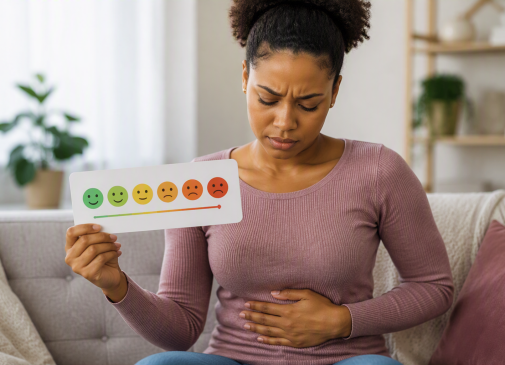
Despite the fact that close to one-third of all women and 50 percent of women over the age of 50 are currently affected by pelvic floor muscle dysfunction (PFMD), people are given very little information about this common disorder. Both men and women can be affected by this condition and many people experience pelvic floor muscle dysfunction after giving birth.
Unfortunately, many women don’t receive the correct information about being proactive or how to treat PFMD. Thankfully, social media has become a catalyst of helpful information about effective therapies and exercises you can try to help your pelvic floor dysfunction symptoms by strengthening specific muscles.
What Is Pelvic Floor Dysfunction?
First of all, it’s important to understand how the pelvic floor works. A woman’s pelvic floor is a grouping of muscles in the pelvic region that form a “sling” which supports various organs. These organs include the:
- Uterus
- Bladder
- Colon
- Rectum
The most important jobs of the pelvic floor is to regulate the release of urine, feces, gas, etc., as well as sexual function. When these muscles fail to work they may cause sexual dysfunction or incontinence – this is known as pelvic floor muscle dysfunction. Despite how crucial these muscles are in your daily life, little knowledge is given to people on what causes them to fail in the first place.
What Causes Pelvic Floor Dysfunction?
Pelvic floor dysfunction can affect people of all ages and backgrounds. Because a variety of factors may contribute to pelvic floor dysfunction, understanding the potential causes and risk factors can help individuals recognize symptoms and seek appropriate care. Potential causes and risk factors include:
- Pregnancy and childbirth, particularly after multiple deliveries
- Traumatic injuries to the pelvic region
- Repetitive strain or overuse of the pelvic floor muscles
- Pelvic surgery
- Aging and age-related changes in muscle strength
- Family history of pelvic floor dysfunction
- Large uterine fibroids, which may place additional pressure on pelvic structures
Can Fibroids Cause Pelvic Pain and Dysfunction?
Uterine fibroids, benign tumors located within the uterus, affect close to 70% to 80% of women before the age of 50. Similar to pelvic floor muscle dysfunction, little to no education is offered to women about symptoms and treatment.
Although most fibroids go undetected and are smaller than the size of a pea, some can grow as large as a lemon causing uncomfortable symptoms. Additionally, large fibroids often cause the uterus to be extended, putting pressure on surrounding organs such as the bladder, colon, intestines, and rectum. There are two types of fibroids, subserosal and submucosal, that could potentially cause pelvic floor muscle dysfunction:
Subserosal: Fibroids that grow within the uterine lining but project outside of the uterus
Submucosal: Fibroids that grow within the uterine lining but project inside the uterus
When fibroids grow larger, they often put pressure and weight on the abdominal area which could cause pelvic floor muscle dysfunction. Women with large fibroids often report symptoms such as:
- Frequent urination
- Pelvic pain or severe cramps
- Heavy periods lasting more than 10 days per month
- Bleeding between cycles
- Anemia, causing fatigue
- Constipation or bloating
- Abdominal fullness or pressure
- A protruding abdomen resembling pregnancy
- Pain during sex
Tumors in the pelvic area can negatively impact organs and muscles in that region. Consequently, if the fibroids grow too large, your pelvic floor can be put under immense stress. Over time, this stress can contribute to those “sling” muscles weakening and leading to pelvic floor muscle dysfunction.
What Are Some Pelvic Floor Dysfunction Symptoms?
Interestingly, both uterine fibroids and pelvic floor muscle dysfunction often share similar symptoms such as:
- Frequent urination
- Constipation or bloating
- Lower back or abdominal pain
- Pelvic pain and cramping
These conditions share similar symptoms because they both affect surrounding organs. It’s important to track any symptoms you may be experiencing so you can accurately tell your doctor what you are going through.
How Fibroids Affect the Pelvic Floor
Fibroids can cause pelvic floor muscle dysfunction in several ways:
Increased Pelvic Pressure: Large or multiple fibroids can press against the bladder, rectum, or pelvic muscles, leading to chronic tension and discomfort.
Changes in Pelvic Alignment: As fibroids grow, they may shift the uterus out of its normal position, forcing the pelvic floor muscles to work harder to maintain balance and support.
Pain-Induced Muscle Tightness: Persistent pelvic pain or cramping from fibroids can cause the surrounding muscles to tighten as a protective response, eventually leading to dysfunction.
Bladder and Bowel Disruptions: Fibroids pressing on the bladder can cause urinary urgency, while pressure on the rectum can make bowel movements difficult. Over time, these symptoms can train the pelvic muscles to contract incorrectly.
How Are Fibroids and Pelvic Dysfunctions Diagnosed?
Uterine fibroids and pelvic floor muscle dysfunction are often diagnosed during a routine pelvic or vaginal exam. However, there are a few other tests your doctor may conduct if you’re experiencing pelvic floor dysfunction symptoms including:
- Intrarectal or vaginal exam
- Surface electrodes placed on the perineum
- Anorectal manometry
- Uroflow test
- Defecating proctogram and live x-ray
These tests all measure how well your pelvic floor muscles are working. In comparison, doctors use imaging tools to diagnose fibroids such as:
- Magnetic resonance imaging (MRI)
- Ultrasound
If you’re experiencing symptoms, don’t wait for them to worsen. Getting diagnosed is the first step to treating uncomfortable fibroid and pelvic floor dysfunction symptoms so you can lead a healthy, active life.
Fibroids and Pelvic Floor Dysfunction Treatment
Depending on the causes Treatment for pelvic floor dysfunction depends on the underlying cause, the severity of symptoms, and an individual’s overall health needs. Common treatment approaches may include:
- Pelvic floor physical therapy
- Exercises to improve muscle strength, coordination, or relaxation
- Biofeedback therapy
- Medications, when appropriate
- Lifestyle modifications and symptom management strategies
For some individuals, large fibroids may contribute to pelvic pressure, urinary symptoms, or discomfort that can affect pelvic floor function. In these cases, treating the fibroids may help reduce some of the pressure within the pelvis. However, treatment for fibroids and treatment for pelvic floor dysfunction are not always the same, and some people may benefit from addressing both conditions separately.
Treatment options for uterine fibroids may include:
- Watchful waiting and symptom monitoring
- Hormonal medications
- Uterine fibroid embolization (UFE), also called uterine artery embolization (UAE)
- Myomectomy
- Hysterectomy
- Other minimally invasive or surgical procedures, depending on the size, number, and location of the fibroids
If fibroids are contributing to pelvic symptoms, your healthcare provider can help determine whether treatment may be beneficial and which options best align with your symptoms, health goals, and personal preferences.
Have Questions About Fibroids?
Fibroid Fighters Foundation is dedicated to empowering individuals through education, awareness, and support. We provide trusted information about uterine fibroids and other women’s health concerns to help people make informed decisions and have meaningful conversations with their healthcare providers.
To learn more, call 855.455.5262 or contact us online.. Give us a call at 855.455.5262 or contact us online.