
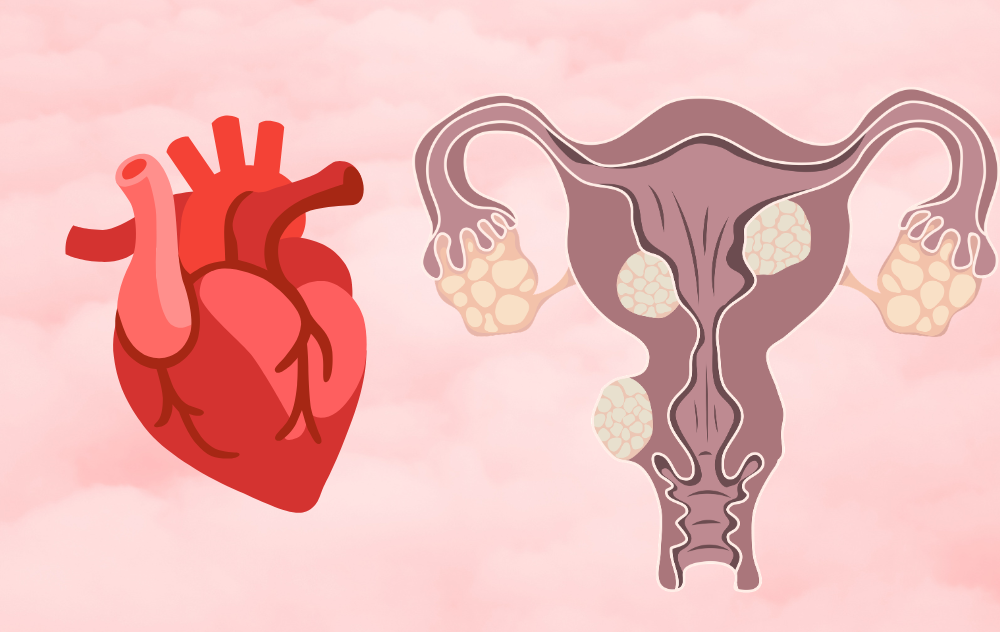
Uterine fibroids are often viewed as a condition limited to reproductive health—but new research suggests they may be connected to long-term heart health as well.
New Research Highlights a Bigger Health Concern
A large-scale study analyzing data from millions of women found that those diagnosed with fibroids had a significantly higher risk of developing cardiovascular disease over time compared to those without fibroids. The increased risk was especially notable in younger women, highlighting the importance of early awareness.
Understanding the Connection
Fibroids are noncancerous growths that develop in or around the uterus and affect up to 80% of women by age 50. While they are commonly associated with symptoms like heavy bleeding, pelvic pain, and bloating, researchers believe fibroids may also reflect underlying processes in the body that impact heart health.
Factors such as inflammation, changes in blood vessels, and smooth muscle cell activity are thought to play a role in both fibroid development and cardiovascular disease. This overlap may help explain why the two conditions appear to be linked.
What This Means for Women
The findings do not mean that fibroids directly cause heart disease. However, they suggest that fibroids could serve as an early indicator of increased cardiovascular risk.
For women with fibroids, this may be a signal to:
- Stay on top of routine health screenings
- Monitor blood pressure and cholesterol
- Take a proactive approach to overall wellness
The Bottom Line
Fibroids are more than just a quality-of-life issue—they may be part of a bigger health picture.
Understanding this connection can empower women to take a more comprehensive approach to their health, addressing not only fibroid symptoms but also long-term well-being. Follow us online to learn more about fibroids and share your story.