
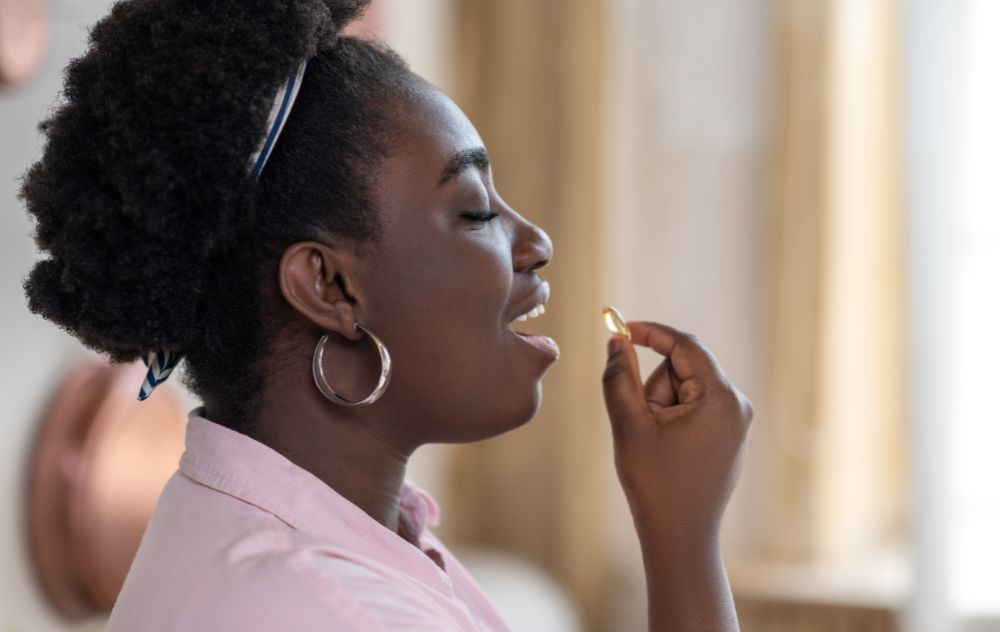
If you’ve been diagnosed with uterine fibroids, you may be wondering whether taking vitamin D supplements can help. As research continues to uncover the role vitamin D plays in women’s reproductive health, many healthcare providers are paying closer attention to vitamin D deficiency as a possible factor in fibroid development and growth.
While vitamin D isn’t a treatment or cure for fibroids, maintaining healthy vitamin D levels may benefit your overall health and could play a role in managing your fibroid risk. Here’s what the latest research says.
Understanding The Linking Of Vitamin D and Fibroids
Vitamin D is essential for more than just healthy bones. It also helps regulate cell growth, inflammation, immune function, and hormone activity. Researchers have found that uterine fibroid cells contain vitamin D receptors, suggesting the vitamin may help control how these noncancerous tumors develop and grow.
Multiple studies have shown that women with fibroids are more likely to have low vitamin D levels than women without fibroids. Some research also suggests that maintaining adequate vitamin D levels may reduce the risk of developing fibroids or slow the growth of existing fibroids, although additional clinical studies are needed before vitamin D can be recommended as a fibroid treatment.
Should You Take Vitamin D If You Have Fibroids?
The answer depends on your individual vitamin D levels.
If you’re deficient, your healthcare provider may recommend vitamin D supplementation to restore healthy levels. Correcting a deficiency supports bone health, immune function, muscle health, and overall wellness—and it may also provide benefits for uterine health.
However, taking vitamin D supplements without knowing your vitamin D status isn’t always the best approach. Too much vitamin D can lead to health complications, so it’s important to speak with your healthcare provider before starting high-dose supplements.
A simple blood test can determine whether you’re vitamin D deficient and help guide the appropriate dosage.
Who Is Most at Risk for Vitamin D Deficiency?
Vitamin D deficiency is common, especially among women with darker skin tones. Melanin reduces the skin’s ability to produce vitamin D from sunlight, making deficiency more likely. This is particularly important because Black women are also disproportionately affected by uterine fibroids.
Other factors that increase the risk of vitamin D deficiency include:
- Limited sun exposure
- Living in northern climates
- Obesity
- Older age
- Certain digestive disorders that affect nutrient absorption
Knowing your risk factors can help you have informed conversations with your healthcare provider about screening.
Natural Ways to Support Healthy Vitamin D Levels
In addition to supplements when recommended by your healthcare provider, you can support healthy vitamin D levels by:
- Spending time outdoors with safe sun exposure
- Eating fatty fish like salmon and tuna
- Choosing fortified dairy products or plant-based milks
- Eating egg yolks and vitamin D-fortified cereals
While these habits can help, they may not be enough to correct a deficiency, which is why testing is important.
Vitamin D Is Just One Piece of Fibroid Care
Fibroids are complex. Their development is influenced by hormones, genetics, age, race, and other health factors. Vitamin D may be one factor among many, but it shouldn’t replace medical treatment if you’re experiencing heavy bleeding, pelvic pain, fertility concerns, or other fibroid symptoms.
The best approach is to work with your healthcare provider to develop a treatment plan that fits your symptoms, health goals, and lifestyle.
Learn More About the Research
Curious about the latest findings? Read this helpful overview from Verywell Health: “Vitamin D Deficiency May Raise Uterine Fibroids Risk.“
The Bottom Line
If you have fibroids, checking your vitamin D levels is a conversation worth having with your healthcare provider. While vitamin D isn’t a cure for fibroids, correcting a deficiency may support your overall health and could become one part of a comprehensive fibroid management plan.
At Fibroid Fighters, we’re committed to helping women stay informed about the latest research so they can make empowered decisions about their health. Talk with your healthcare provider about whether vitamin D testing is right for you and continue advocating for the care you deserve.