
World Infertility Awareness Month in June provides a window dedicated to breaking the silence surrounding reproductive struggles, sharing infertility education, and uplifting those navigating the challenging path to parenthood.
Fibroid Fighters’ mission is to ensure you have the facts to make the best decisions for your health. We want to highlight a highly common, yet often under-discussed barrier to successfully conceiving to light: uterine fibroids. By understanding how fibroids impact fertility, women can better advocate for the resources, care, and treatment they deserve.
What is Infertility?
Clinically, infertility is defined as the inability to conceive after one year of regular, carefully timed intercourse. Women struggling with infertility generally notice issues with ovulation, embryo implantation, or sustaining a pregnancy.
While a fertility journey can be disrupted by several underlying conditions, including polycystic ovarian syndrome (PCOS), endometriosis, and pelvic inflammatory disease, uterine fibroids remain one of the most prominent structural challenges.
How Fibroids Complicate the Conception Journey
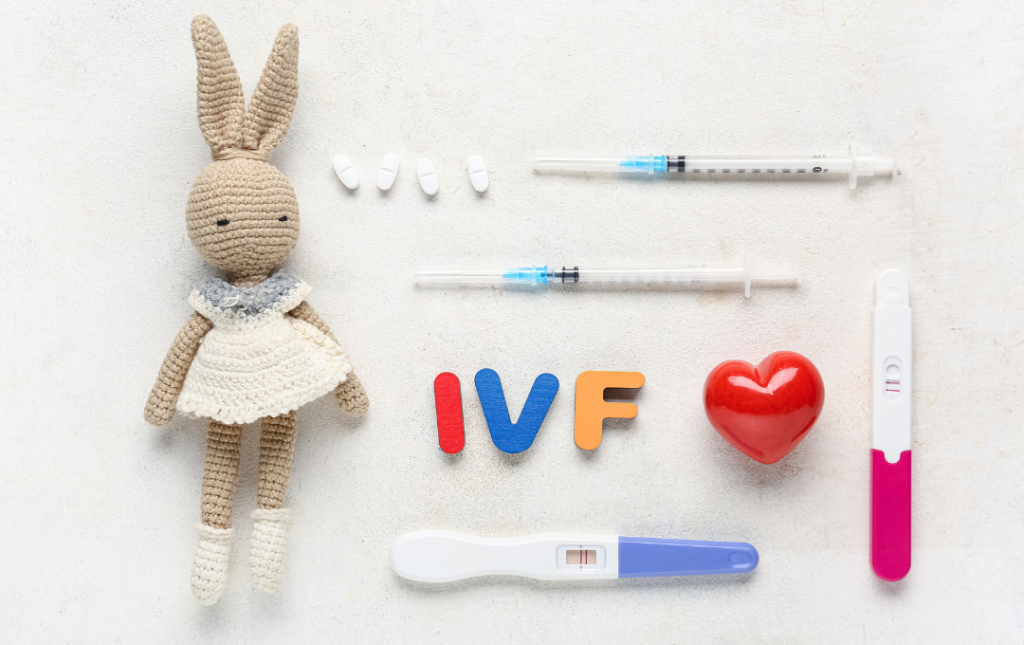
Uterine fibroids are benign (non-cancerous) tumors growing within or on the uterus. They are highly prevalent, affecting up to 70% to 80% of women by age 50.
According to a study from the National Institutes of Health (NIH), endometriosis and fibroids have been found to impact the journey to motherhood. The research shows that among women who gave birth, about 30% with endometriosis and 26% with fibroids struggled to conceive naturally before finally succeeding, while 34% of women with endometriosis and 21% with fibroids relied on fertility treatments like IVF to get pregnant.
How fibroids can create obstacles in your path to pregnancy can include the following:
- Blocking the Fallopian Tubes: Fibroids growing near the top of the uterus can physically block the tubes, preventing the egg and sperm from ever connecting.
- Disrupting Implantation: Submucosal fibroids (those growing just under the inner uterine lining) can alter the shape of the uterine cavity, making it difficult for a fertilized egg to attach securely.
- Altering Uterine Environment: Large fibroids can disrupt blood flow to the uterine lining, making it harder to sustain an early pregnancy.
- Hormonal Overlap: Fibroids can alter hormone levels in the surrounding tissue. This localized disruption can interfere with your body’s signals, making it harder to ovulate normally.
Since fibroids can also increase the risk of preterm labor or delivery issues, early diagnosis is an important first step.
If you are experiencing pelvic pressure, heavy cycles, or problems conceiving, take our quick symptom check to learn more.
Understanding Your Personal Risk Factors
Because fibroid symptoms vary drastically from person to person, understanding specific risk patterns is vital for early detection.
- Racial Disparities: Black women are significantly more likely to develop fibroids than women of other racial backgrounds. They often experience them at a much younger age, with larger, faster-growing, and more numerous tumors.
- Genetics: Family history plays a major role; having a mother or sister with fibroids heavily increases your own baseline likelihood.
- Age: Fibroids are most symptomatic and commonly diagnosed during a woman’s peak reproductive years, specifically her 30s and 40s.
- Diet & Lifestyle: Contributing factors include obesity, a diet high in red meat and low in fruits and vegetables, early onset of menstruation, vitamin D deficiency, and alcohol consumption.
Balancing Fibroid Treatment with Future Fertility Goals
If you discover you have fibroids, you don’t have to choose between finding symptom relief and protecting your reproductive future. Treatment advancements mean that a traditional hysterectomy is far from your only option, allowing you to choose a path that perfectly aligns with your personal health goals and any future family planning.
1. Uterine Fibroid Embolization (UFE)
UFE is a minimally invasive, non-surgical procedure designed to shrink fibroids by cutting off their blood supply while preserving the uterus entirely. In fact, a major study published in the journal Radiology followed hundreds of women who previously couldn’t conceive due to fibroids; after undergoing UFE, over 41% successfully became pregnant, proving that the procedure safely preserves uterine health and opens the door to healthy pregnancies.
2. Myomectomy
This is a surgical procedure designed to remove individual fibroids while leaving the rest of the uterus intact. Depending on the size and location of the growths, it can be performed through large abdominal incisions (open surgery) or via minimally invasive laparoscopic methods.
While a myomectomy can significantly improve the chances of successful conception, it carries several important considerations:
- Surgical Risks: Like any major surgery, it requires general anesthesia, a hospital stay, and a recovery period of several weeks.
- Scar Tissue: The incisions carry a risk of internal scar tissue (adhesions) forming post-procedure, which can sometimes impact future fertility or complicate a future C-section.
- Fibroid Recurrence: Removing existing fibroids does not prevent new ones from growing; studies show a significant recurrence rate, meaning additional treatments may be needed down the road.
3. Temporary Hormonal Therapies
Temporary hormonal therapies such as Lupron work by temporarily putting the body into a reversible, menopause-like state to starve fibroids of the estrogen and progesterone they need to grow. This short-term treatment can shrink fibroid volume by up to 50% and safely stop heavy menstrual bleeding. However, because prolonged use carries risks like bone density loss, these medications are strictly limited to 3 to 12 months, usually serving as a pre-surgical step to make fibroid removal easier or as a temporary bridge to natural menopause.
Empowering Your Health Journey: You Are Your Own Best Advocate
Whether you are actively trying to build a family today or simply looking ahead to tomorrow, understanding the link between uterine fibroids and fertility is essential. Millions of women live with the heavy, disruptive symptoms of fibroids without realizing that these common, non-cancerous growths can quietly impact their reproductive health and future choices.
You deserve to know all of your options, protect your bodily autonomy, and make informed decisions about your care. Education is the first step toward breaking the silence and the stigma that so often surrounds women’s uterine health.
At Fibroid Fighters, we believe that true empowerment comes from the power of shared experiences. When women speak up, we lift the veil on this condition and give others the courage to seek answers. We invite you to join our community by sharing your personal journey with fibroids. Whether you prefer to speak on video, record an audio message, or write your story down, your unique voice matters—and it has the power to help another woman fight for her future.