
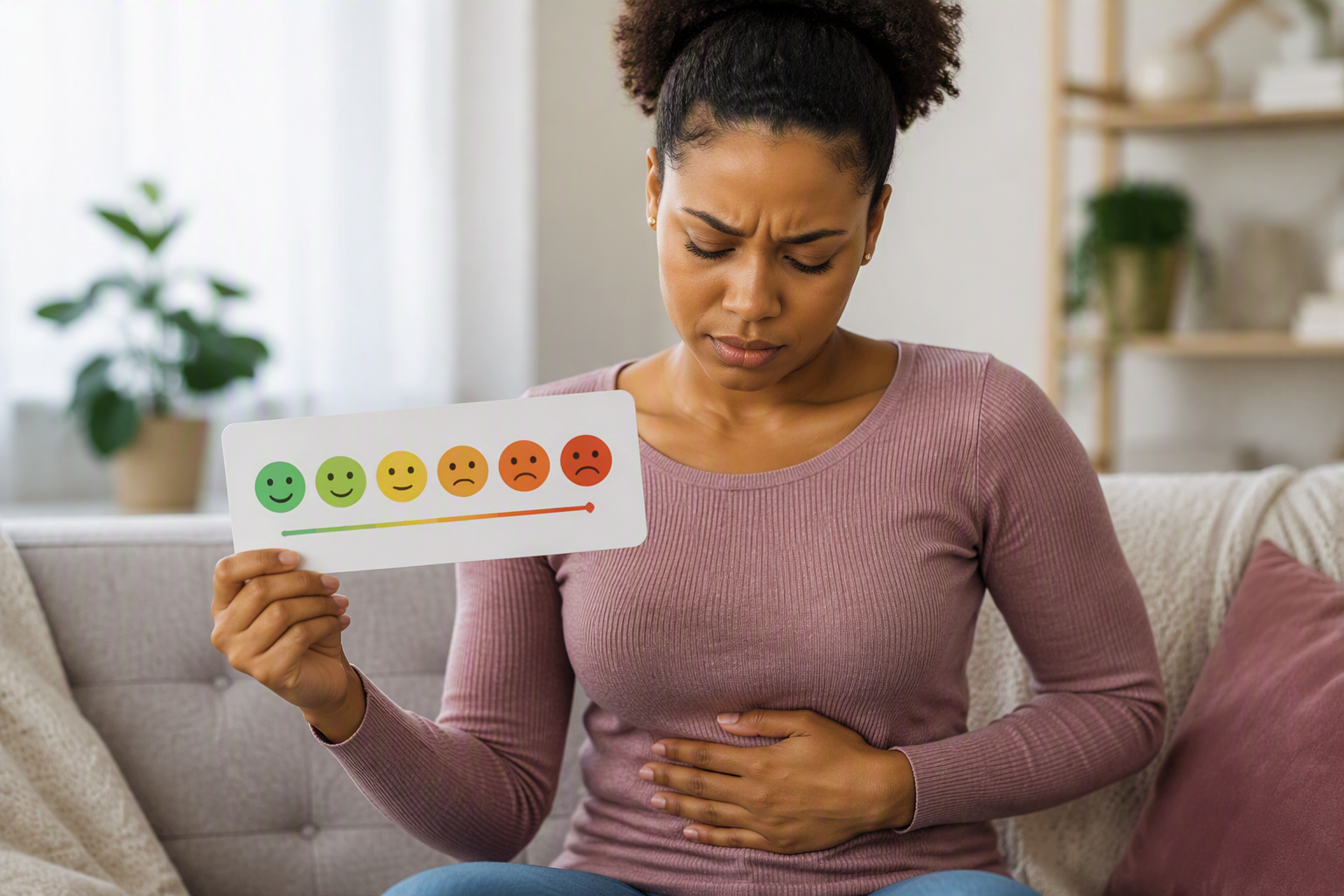
September is Pain Awareness Month, a reminder that while some menstrual discomfort is common, severe symptoms that disrupt your daily life should not be ignored.
Many women assume that heavy bleeding, debilitating cramps, and pelvic pain are simply part of having a period. Symptoms that interfere with work, family responsibilities, social activities, or overall well-being may signal an underlying condition such as uterine fibroids.
Understanding the difference between typical menstrual symptoms and symptoms that warrant medical attention can help you take control of your health and find lasting relief.
Heavy Periods and Pelvic Pain: Common Signs of Fibroids
Uterine fibroids are noncancerous growths that develop in or around the uterus. While some women experience no symptoms, fibroids are a leading cause of heavy menstrual bleeding and pelvic discomfort.
Common fibroid symptoms include:
- Heavy or prolonged menstrual bleeding
- Severe menstrual cramps
- Pelvic pain or pressure
- Lower back pain
- Pain that radiates into the legs
- Frequent urination
- Constipation
- Bloating or abdominal fullness
- Fatigue caused by heavy blood loss
The size, number, and location of fibroids can influence which symptoms occur and how severe they become.
How Do Heavy Periods Affect Daily Life?
Many women notice that heavy menstrual bleeding affects much more than their menstrual cycle.
You may find yourself:
- Changing pads or tampons more frequently than expected
- Planning activities around restroom access
- Worrying about leaks or accidents
- Experiencing fatigue or low energy levels
- Missing work, school, or social events
Over time, heavy bleeding may contribute to iron-deficiency anemia, which can lead to fatigue, weakness, and difficulty concentrating.
Understanding Pelvic Pain and Pressure
Pelvic pain related to fibroids can feel different from typical menstrual cramps.
Some women experience:
- Persistent pelvic pressure
- A feeling of fullness in the lower abdomen
- Pain that worsens during menstruation
- Lower back discomfort
- Pain that extends into the hips or legs
Fibroids may cause pain by increasing uterine contractions during menstruation or by putting pressure on nearby organs and nerves.
What’s Considered a Normal Period?
Understanding what is typical can make it easier to recognize when symptoms may warrant medical attention.
A typical menstrual cycle generally includes:
- Periods lasting three to seven days
- Moderate bleeding that gradually tapers off
- Cycles occurring every 21 to 35 days
- Mild to moderate cramping
- Symptoms that respond to rest, heat, or occasional over-the-counter medication
While every woman’s experience is unique, normal menstrual discomfort should not consistently prevent you from participating in everyday activities.
When Symptoms May Not Be Normal
It may be time to speak with a healthcare provider if you experience:
- Periods lasting longer than seven days
- Bleeding that soaks through pads or tampons in two hours or less
- Severe cramps requiring frequent pain medication
- Pelvic pain that disrupts daily activities
- Fatigue that affects work or quality of life
- Back, leg, or pelvic pain that worsens over time
- Irregular menstrual cycles
- Pelvic pressure or fullness between periods
These symptoms may indicate fibroids, endometriosis, PCOS, or another underlying condition that deserves evaluation.
The Hidden Impact of Living With Painful and Heavy Periods
Many women continue going to work and managing daily responsibilities despite significant symptoms.
This can lead to reduced productivity, difficulty concentrating, missed opportunities, disrupted sleep, and a lower quality of life. Some women may avoid seeking treatment because they’ve been told that painful or heavy periods are normal.
The reality is that symptoms that routinely interfere with your daily life should not be dismissed.
Track Your Symptoms
One of the most effective ways to advocate for your health is to track your menstrual cycle and symptoms.
Consider recording:
- Period start and end dates
- Flow intensity
- Pain severity
- Pelvic pressure
- Fatigue levels
- Back pain
- Urinary symptoms
- Changes from your usual cycle
Understanding your patterns can help you identify concerns and provide valuable information during medical appointments. Fibroid Fighters provides a helpful period tracker.
When to See a Doctor
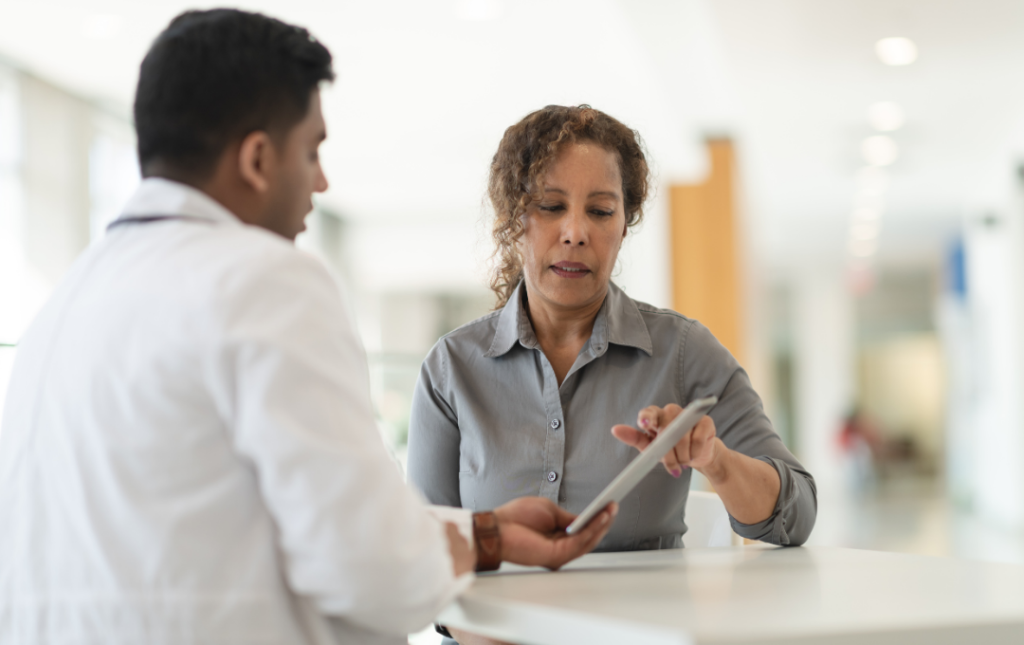
Schedule an appointment if heavy periods, pelvic pain, or other symptoms are affecting your quality of life.
Seeking medical care can help identify the cause of your symptoms and determine whether fibroids or another condition may be responsible.
Fibroid Fighters Quick Checklist
Before your appointment, gather information about:
Menstrual Cycle
- Flow intensity
- Cycle length
- Duration of bleeding
- Pain severity
- Spotting between periods
Symptoms
- Pelvic pressure or pain
- Heavy bleeding
- Fatigue
- Lower back pain
- Frequent urination
- Constipation
Medical History
- Previous diagnoses
- Family history
- Medications
- Prior procedures
Lifestyle Factors
- Stress levels
- Physical activity
- Diet and nutrition
You can also use the Fibroid Fighters Symptom Checker to better understand your symptoms before speaking with a healthcare provider.
Treatment Options for Fibroids
If fibroids are causing heavy periods and pelvic pain, treatment options are available.
Depending on your symptoms, fibroid size and location, reproductive goals, and overall health, your doctor may recommend medication, minimally invasive procedures, or surgical treatment.
The most important thing to remember is that you do not have to simply live with symptoms that disrupt your daily life.
Take Control of Your Symptoms
Heavy periods and pelvic pain are common fibroid symptoms, but they should not be considered an inevitable part of being a woman. Recognizing when symptoms become severe and seeking medical evaluation can be the first step toward meaningful relief and a better quality of life.
For more information about fibroids, symptoms, and treatment options, contact Fibroid Fighters at 855-455-5262 or [email protected].